

TPO AND EPDM
UNDERSTANDING THE BEST FLAT ROOFING MATERIAL FOR YOUR BUILDING
Choosing the right flat roofing system is one of the most important decisions for the long-term protection of your property. Two of the most common flat roofing membranes are TPO (Thermoplastic Polyolefin) and EPDM (Ethylene Propylene Diene Monomer).
Both are highly effective, commercial-grade roofing options—but they are built differently and perform differently depending on climate, budget, and building needs.
Below, we break down the differences in a clear, practical, and educational way so you can make the best decision for your roof.
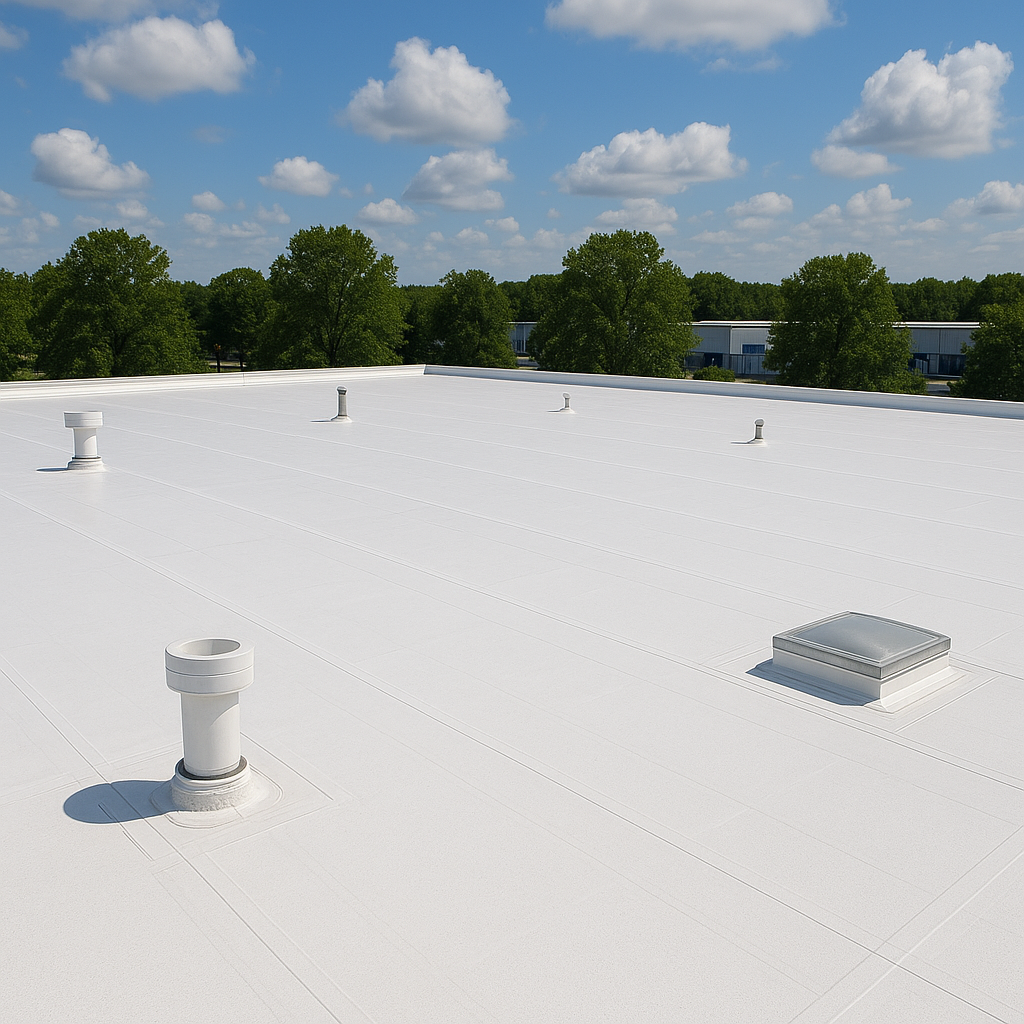
WHAT IS TPO?
TPO is a single-ply, heat-welded roofing membrane known for its durability and energy-efficient properties.
Key Benefits of TPO:
Heat-reflective and energy efficient (great for lowering cooling costs)
UV, chemical, and puncture resistant
Heat welded seams make seams extremely strong; and joints leak resistant
Ideal for hot climates
Long lifespan of about 15-30+ years when properly installed and cared for
Considerations with TPO:
Not as flexible as EPDM in extreme cold temperatures
Quality can vary by manufacturer
Typically pricier than EPDM
BEST FOR:
Commercial buildings
Warm climates
Energy savings
Roofs exposed to a lot of sunlight
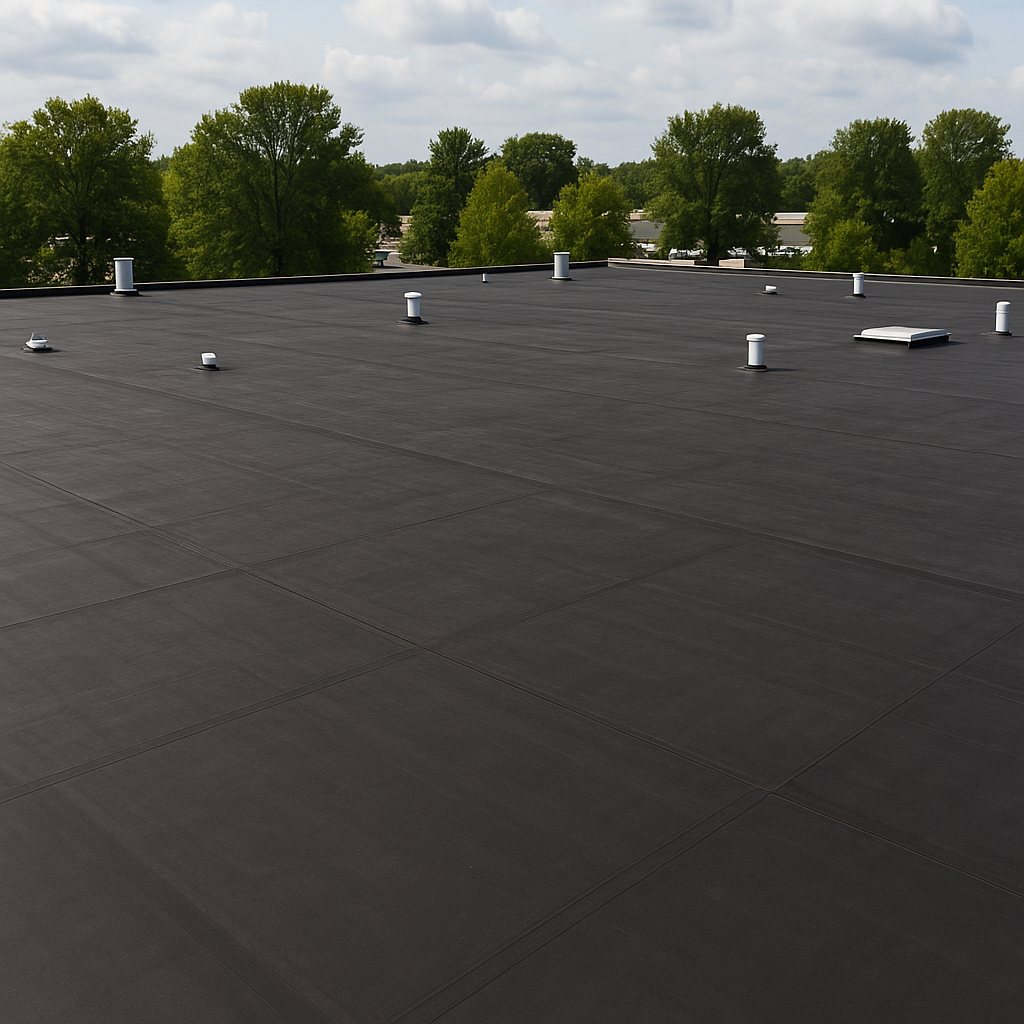
WHAT IS EPDM?
EPDM is a synthetic rubber roofing membrane known for its flexibility, affordability, and long-term durability.
Key Benefits of EPDM:
Extremely durable and elastic, meaning it handles foot traffic and temperature changes well
Performs exceptionally in both hot and freezing climates
Low maintenance and cost-effective
Long lifespan of about 20-35+ years with proper care
Highly resistant to weathering and hail damag
considerations with epdM:
Typically black in color, which absorbs heat instead of reflecting it
Seams are usually taped or glued (not heat-welded like TPO)
BEST FOR:
Buildings in cold or fluctuating climates (NJ included)
Budget-friendly installations
High durability needs (Lots of foot traffic, debris from trees, inclement weather, etc.,)
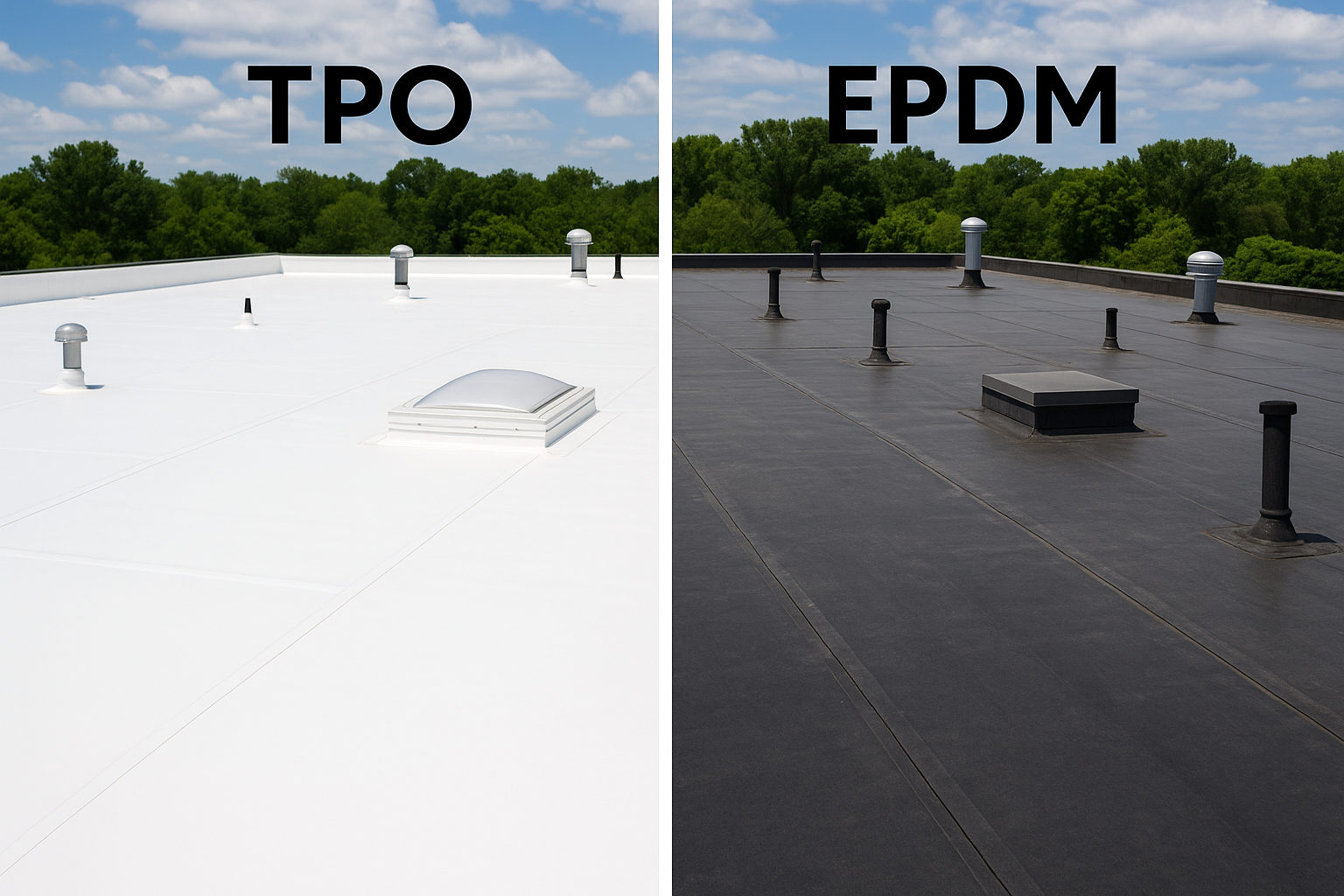
Which Roofing Material Is Right for You?
Choosing between TPO and EPDM depends on your building and climate:
Want to lower energy costs? - TPO
Need a roof that handles freezing temperatures and expansion? - EPDM
Need the best value and long-term flexibility? - EPDM
A professional roofing insepction can also help determine which membrane fits your building’s roof system best; and how urgently you need to make substantial repairs or think about a re-roof.